
At 8:12 on a weekday morning, the wardrobe is not a wardrobe. It is a negotiation. The white shirt feels too serious. The jeans too predictable. The dress that worked last week somehow feels like someone else today.
Somewhere between the weather, your calendar, your mood and the memory of what you wore last time, the question arrives: What should I wear?
Fashion has traditionally answered with clothes: the perfect blazer, the forever jean, the shoe that goes with everything. But a wardrobe can be full of good clothes and still leave you stuck.
“Nothing to wear” often means:
nothing feels right for the person I need to be today.
Refy9’s consumer research reflects this. People described dressing around mood, professional stakes, dates, social events, body comfort, weather, repetition and the opinions of people they trust. The problem is often less about inventory than interpretation.
First, decide who is getting dressed.
Before colour or silhouette, ask: Who do I want to be in this room? A presentation may call for authority. A first date, ease with a little voltage. A long flight, comfort. Dinner with old friends might require a version of you that needs no performance at all.
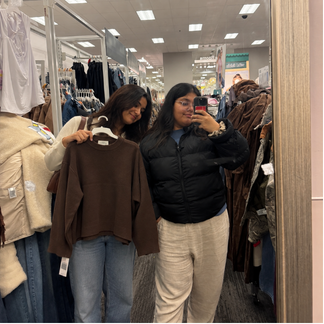
Try a three-word brief: Calm, sharp, approachable. Or playful, polished, comfortable. The words become a filter: an item either supports the version of you the day needs, or it does not.
Then reduce the decisions: Start with one non-negotiable: the shoes you need to walk in, the jacket the weather demands, or simply the piece you really want to wear. Build outward from there. Good styling can feel expansive; good decision-making is often reductive.
Your style council matters, too: Most of us have an unofficial one: the truth-teller who notices when the proportions are off; the hype-friend who supplies confidence; the person who understands the dress code better than any trend report. Then there are Pinterest, creators, group chats and increasingly AI.
The best second opinion doesn’t replace your taste. It sharpens it.
The five things actually deciding your outfit
1 ROLE
What does the situation ask of you?
2 STATE
How do you feel and how do you want to feel?
3 BODY & COMFORT
What lets you move through the day confidently?
4 MEMORY
Which combinations already work?
5 AUDIENCE
Whose opinion genuinely matters?
The strongest wardrobes are
legible to the person who owns them.
They are not necessarily the smallest, most expensive or most timeless. They work because the wearer understands their reliable silhouettes, useful colors, high-stakes pieces and mood lifters.
So tomorrow morning, instead of only asking What should I wear?, ask: What am I doing, how do I want to feel, and which version of me belongs there?
Style isn’t the absence of uncertainty. It’s knowing what to do with it.
Leave a Comment
Your email address will not be published. Required fields are marked *